Sun Gardens
Since 1983, the Sun Gardens at Sun Mountain Research Center have served as an evolving experiment in ecological design, dryland gardening, and plant-based self-reliance. Nestled at 2,000 feet in California’s Sierra foothills — where rain may not fall for eight months of the year — George and Maia Ballis built a living demonstration of what can thrive with minimal water, no synthetic chemicals, and freedom from commercial inputs.
The gardens combine arid-zone permaculture with heritage orchard practices, indigenous dryland crop knowledge, and rigorous on-site experimentation. They embody PFL’s belief in learning from the land and offer a glimpse of what regenerative abundance can look like even in challenging conditions.
“We have chosen drought-tolerant crops with high nutritional value. We have experimented with growing a number of unusual crops from the Mediterranean, the Sonoran Desert, Japan, etc., to see how they grow here.”
— Maia Ballis
Goals & Impact
- Demonstrate:
Dryland food and medicine production in a Mediterranean-climate chaparral zone - Test:
Drought-tolerant, perennial, and multi-use species for food, fiber, medicine, soil regeneration, and pollinator support - Cultivate:
Heirloom and indigenous varieties that are often overlooked in conventional systems - Educate and inspire:
Community members, gardeners, students, and designers to grow within ecological limits
Highlights
- The heritage orchard includes over 20 apple varieties, including low-chill types like Anna and Golden Dorsett, as well as figs, pomegranates, persimmons, loquat, quince, and mulberries
- Cactus and desert crops include nopales, prickly pear, mesquite, and cholla
- The edible flower garden is home to calendula, hibiscus, elderflower, violets, pineapple guava petals, and many others
- Experiments in medicinal plant growing include echinacea, milk thistle, licorice root, manzanita, sage, and ceanothus
- There are many plant species that fix nitrogen and support soil-building such as black locust, Siberian pea shrub, and goumi
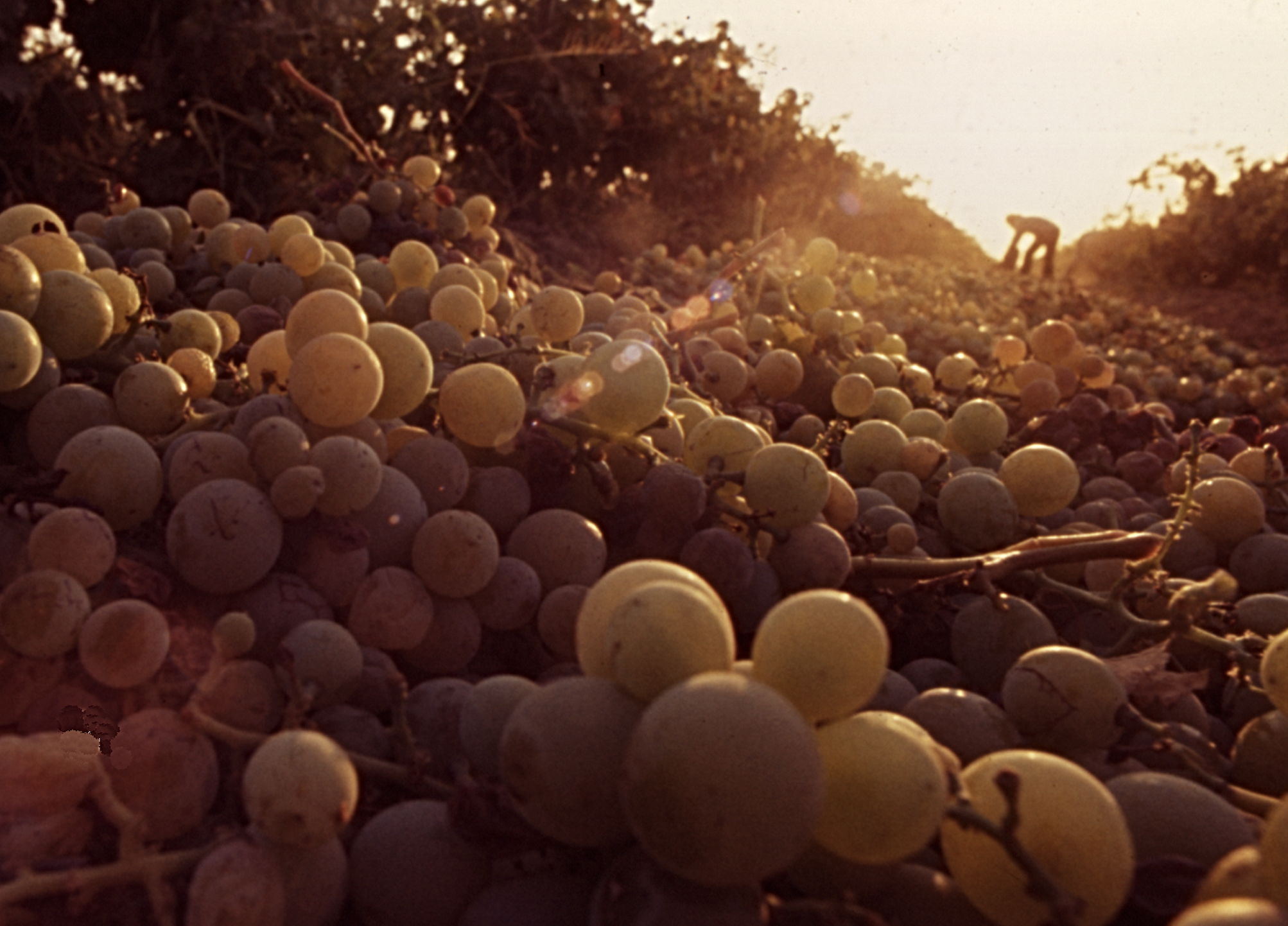
- Grape towers were designed by George Ballis to maximize airflow, light exposure, and ease of harvest
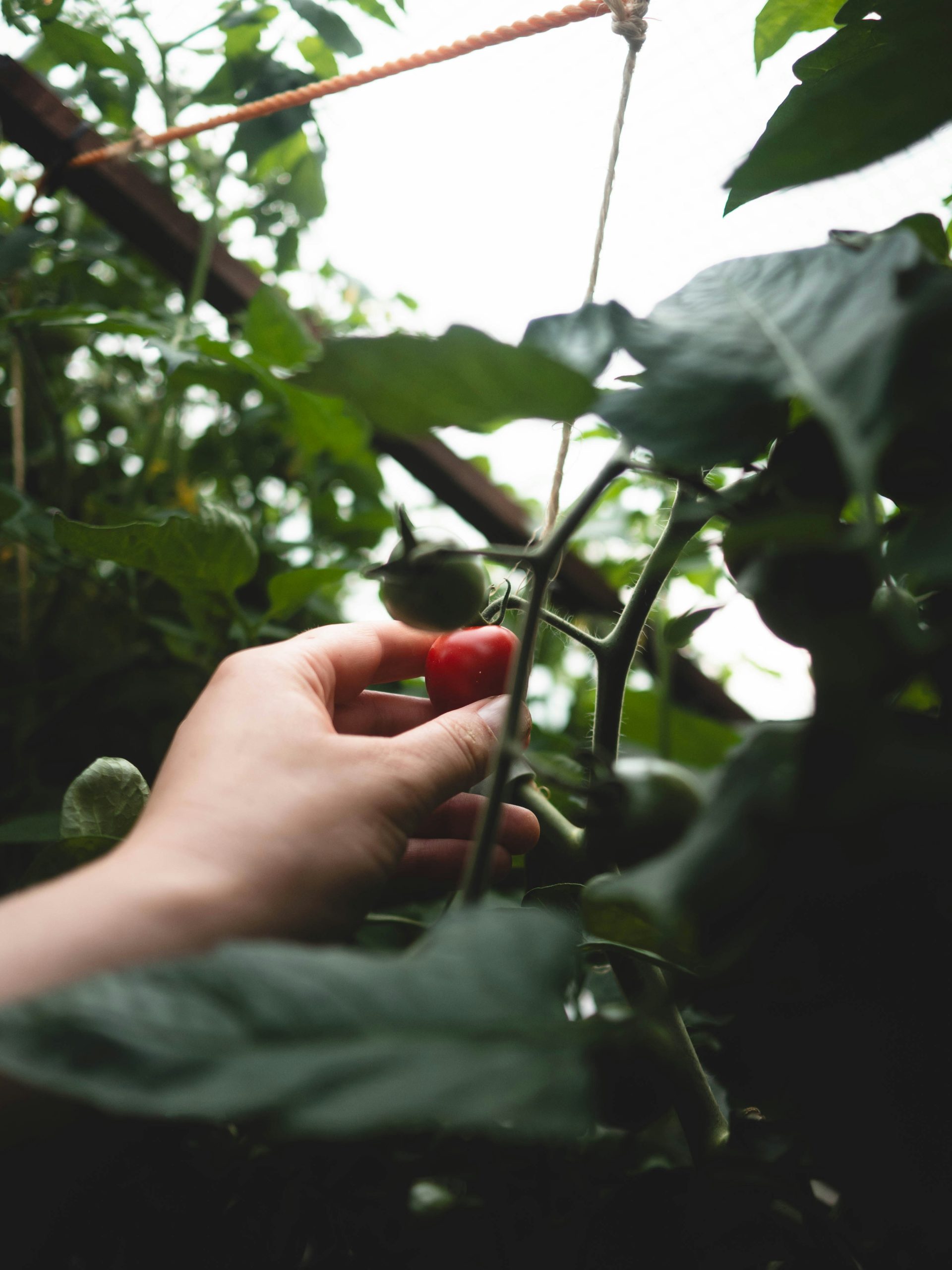
- There are also many drought-tolerant crops and edibles, including Taos blue corn, tepary beans, wild cucumber, and heirloom tomatoes
Challenges & Learnings
Sun Gardens have weathered decades of drought, climate shifts, and funding challenges. Some crops thrived for years before failing due to reduced irrigation. Others, like Wickson apples and black Persian mulberries, continue to outperform expectations. The Ballises’ documentation provides critical insight into adaptation, failure, and long-term ecological thinking.
“Our earthly pursuits at Sun Mt revolve around sustaining the sacred web of life, and bringing it deeper into our consciousness.”
— George Elfie & Maia Ballis